How Electric Scooters Are Transforming Urban Mobility: Discover Their Benefits and Emerging Trends
Electric scooters are steadily growing into an essential component of urban transportation. Their streamlined form and green design cater to the challenges posed by densely populated metropolitan areas. As municipalities enhance infrastructure to support these vehicles, demand for them continues to grow. Yet, concerns persist surrounding safety measures, governing policies, and future innovations. Grasping the complete effect of e-scooters on city transportation could uncover benefits beyond mere practicality; it may completely redefine the structure of city life.
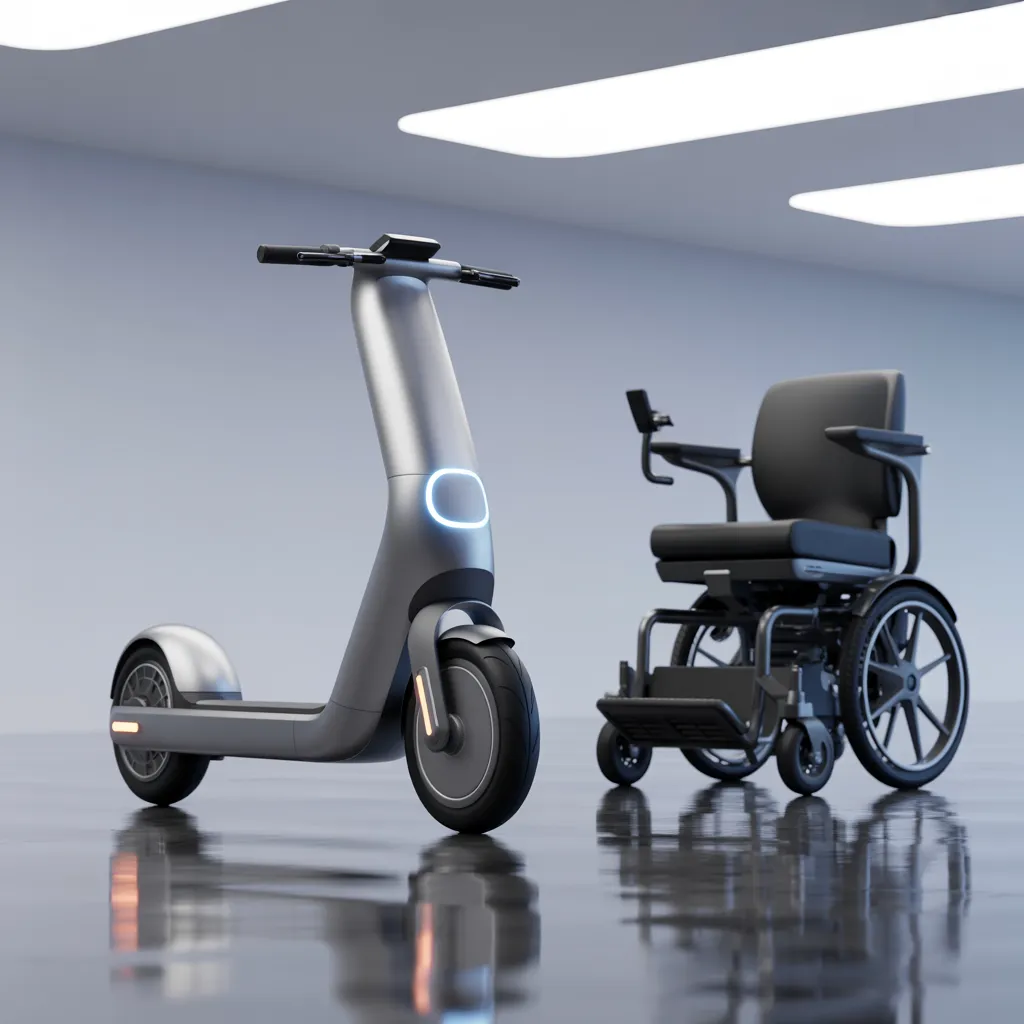
The Growth of Electric Scooters in City Environments
As cities grapple with growing traffic issues and ecological challenges, electric get started scooters have established themselves as a sought-after solution for urban mobility. Their widespread adoption is driven by various considerations, such as the demand for practical and eco-friendly commuting solutions. Many urban dwellers seek flexible and affordable means to navigate dense city landscapes, where standard automobiles regularly struggle to operate efficiently.
The emergence of scooter-sharing initiatives has significantly boosted their popularity, allowing users to obtain scooters at any time without the burden of ownership. This model appeals to younger audiences who prioritize convenience and eco-friendliness. Moreover, municipalities are increasingly recognizing the potential of electric scooters to alleviate traffic congestion and reduce carbon impact.
As infrastructure evolves to accommodate these vehicles, cities are channeling investments into designated lanes and parking solutions, making certain that electric scooters become part of the urban transportation ecosystem. This transition signals a transformative change in how residents navigate commuting within metropolitan areas.
Five Essential Benefits of Electric Scooters for Urban Travelers
Electric scooters give urban commuters several significant advantages that enhance their daily travel experience. For starters, they deliver a convenient transportation solution, enabling riders to effortlessly maneuver through busy city streets and reach their destinations swiftly. Additionally, electric scooters are often more cost-effective compared to conventional modes of transport, helping commuters cut down on fuel and parking expenditures. Third, their streamlined and compact build makes them ideal for urban environments, letting commuters park in confined spaces with ease. Fourth, electric scooters help minimize environmental harm by emitting no pollutants, fostering improved air quality in urban areas. To conclude, they inspire greater physical activity, as using a scooter offers a fun departure from inactive commuting options. Together, these advantages make electric scooters a sensible and attractive option for urban commuters seeking efficient and sustainable travel solutions.
Electric Scooters: An Answer to Traffic Congestion
Electric scooters provide a viable alternative to traditional transportation methods, potentially easing road congestion in metropolitan areas. By providing increased mobility options, they encourage a shift away from personal vehicles and contribute to a reduction in overall traffic levels. Furthermore, their green benefits correspond to increasing awareness of sustainability and urban air quality.
Diminished Street Congestion
Municipalities contend with escalating traffic congestion, prompting a search for innovative solutions. Electric scooters present themselves as an effective solution, substantially lowering vehicle volume on roadways. Their compact size allows for seamless movement through crowded urban environments, allowing commuters to avoid common traffic gridlock. By serving as a replacement for personal vehicles for short trips, electric scooters aid in reducing the total number of vehicles, promoting more efficient traffic movement. Additionally, they require less parking space, also reducing overcrowding in heavily trafficked districts. As urban centers adopt electric scooters across their transit systems, the opportunity for eased road crowding becomes increasingly evident, resulting in a greener city environment and a better standard of living for citizens.
Increased Mobility Options
As urban areas struggle to offer effective transportation solutions, electric scooters provide a persuasive remedy by boosting urban movement. These scooters offer a flexible mode of transport that complements existing public transit systems, permitting commuters to traverse nearby destinations efficiently. As a viable replacement for standard motor vehicles, electric scooters lessen dependence on automobiles, helping to ease traffic congestion. Their accessibility encourages impromptu journeys, permitting commuters to arrive at places that could be challenging to access through alternative methods. Furthermore, electric scooters serve a broad spectrum of people, ranging from regular commuters to sightseers, establishing them as a flexible choice within city settings. As cities continue to evolve, electric scooters will serve a critical function in transforming city transportation frameworks.
Ecological Advantages
As urban centers grapple with escalating traffic congestion and pollution, electric scooters emerge as a promising solution with notable environmental benefits. These lightweight vehicles produce zero tailpipe emissions, helping to improve overall air quality. By encouraging short-distance travel, electric scooters lessen the need for standard automobiles, which represent significant sources of harmful emissions. Furthermore, their streamlined design enables more efficient utilization of city space, alleviating the demand for parking and minimizing urban sprawl. Evidence shows that widespread scooter use can substantially decrease traffic density, contributing to decreased gridlock and better overall transit efficiency. As cities adopt electric scooters into their transportation networks, they lay the groundwork for a greener and more environmentally conscious cityscape.
Green Benefits of Electric Scooters
Electric scooters deliver notable environmental benefits that can contribute to more sustainable urban transportation. By lowering carbon output and easing traffic congestion, they offer a greener option to standard combustion-powered vehicles. Furthermore, the silent functioning of electric scooters helps decrease acoustic pollution in heavily populated urban zones.
Decreased Carbon Emissions
Sustainability presents itself as an important factor in metropolitan transit, underscoring the substantial environmental benefits of electric scooters. These vehicles produce zero tailpipe emissions, offering a greener option to traditional gasoline-powered modes of transport. By replacing brief automobile journeys, electric scooters contribute to a notable reduction in greenhouse gas emissions, aiding efforts to combat climate change. The use of electric scooters also promotes a move toward renewable energy sources, as numerous charging points are progressively fueled by solar or wind energy. Moreover, their compact build demands lower energy consumption when measured against larger vehicles, further minimizing their carbon footprint. As cities adopt electric scooters more widely, the possibility of reduced urban air pollution and better overall health outcomes grows more apparent.
Decreased Traffic Congestion
The adoption of electric scooters into urban transportation systems considerably alleviates traffic congestion. By providing a convenient and efficient alternative to traditional vehicles, electric scooters assist in reducing the number of cars on the road. This shift not only optimizes road usage but also shortens travel times for commuters. As more residents select scooters for short trips, the overall volume of traffic decreases, leading to more fluid movement in city zones. Additionally, electric scooters require less space than cars, allowing for more effective use of parking and roadways. As cities adopt this form of transportation, the cumulative effect can significantly reduce traffic buildup, fostering a greener metropolitan setting and boosting the overall quality of urban life.
Minimized Noise Pollution
City landscapes often suffer from high levels of noise pollution, which can harmfully influence residents' physical and mental health. Electric scooters present a viable solution to this challenge, as they run silently compared to traditional gasoline-powered vehicles. By minimizing the noise produced within urban areas, e-scooters help foster a more peaceful environment, improving psychological well-being and elevating the quality of life for urban residents. Furthermore, as more commuters select electric scooters over cars, the overall soundscape of cities can shift towards a more peaceful atmosphere. This decrease in noise pollution not only aids city dwellers but also inspires communities to embrace eco-friendly commuting alternatives. As a result, electric-powered scooters play an essential role in cultivating healthier, more livable urban spaces.
Remaining Safe While Operating Your Electric Scooter
Operating an electric scooter necessitates alertness and mindfulness to ensure safety on busy city streets. Cyclists should always wear a helmet, as this notably reduces the risk of head injuries in case of accidents. It is crucial to familiarize oneself with local traffic laws, as regulations can vary widely by city. Maintaining a safe speed and maintaining adequate space from vehicles and pedestrians enhances overall safety.
Additionally, riders ought to be mindful of potential hazards such as potholes, debris, and sudden obstacles. Making use of hand signals when changing direction or halting helps convey your intentions to fellow road users. After-dark riding demands the use of reflective equipment or lights to boost visibility. Lastly, steering clear of distractions such as smartphones encourages attentive riding. By following these safety guidelines, electric scooter operators can achieve a safer and more mindful riding experience as they travel through urban landscapes.
Evolving Trends in Electric Scooter Utilization
How is the landscape of electric scooter use evolving in cities around the world? More and more, cities are incorporating electric scooters into their transit networks, addressing the rising need for sustainable and effective commuting solutions. Cities are implementing dedicated scooter lanes and parking zones, enhancing safety and accessibility.
In addition, data-driven approaches are emerging, allowing cities to analyze usage patterns and optimize service deployment. This trend is fostering partnerships between municipalities and scooter companies, leading to more strategic infrastructure investments.
In addition, developments in tech are transforming how users interact, with functionalities like GPS functionality and smartphone connectivity emerging as industry norms. The growth of subscription payment structures is also evident, giving users convenient payment alternatives.
As regulations continue to evolve, these advancements are poised to profoundly impact urban transportation dynamics, positioning electric scooters as a cornerstone of future urban planning.
Frequently Asked Questions
How Do Electric Scooters Stack Up Against Bikes in Urban Environments?
Electric scooters generally offer speedier, more streamlined commuting options than bicycles, perfect for brief journeys. That said, bikes deliver greater physical activity and stability. At the end of the day, the selection is based on unique lifestyle choices and distinct metropolitan conditions.
What Are the Ownership Costs of an Electric Scooter?
Having an electric scooter involves preliminary acquisition fees, servicing charges, protection premiums, and likely power costs. Additionally, owners may encounter parking fees and need supplementary gear, together forming the total monetary investment of owning one.
Are Electric Scooters Suitable for All Age Groups?
Electric scooters are typically appropriate for a wide range of age groups, so long as users comply with proper safety recommendations. However, younger children may require supervision, while older adults should consider their physical capabilities and comfort with balancing and maneuvering.
How Does Weather Affect Electric Scooter Usage?
Weather plays a significant role in electric scooter usage. Adverse conditions including rain, snow, and temperature extremes deter riders due to safety concerns and discomfort, while pleasant, dry conditions leads to increased scooter usage, boosting the general rider experience and ease of access.
What Rules Regulate Electric Scooter Use in Cities?
Regulations governing e-scooter use within city limits frequently cover helmet requirements, insurance mandates, speed limits, age restrictions, and designated parking areas. These guidelines seek to boost overall safety, decrease traffic buildup, and align scooters with existing urban mobility frameworks.